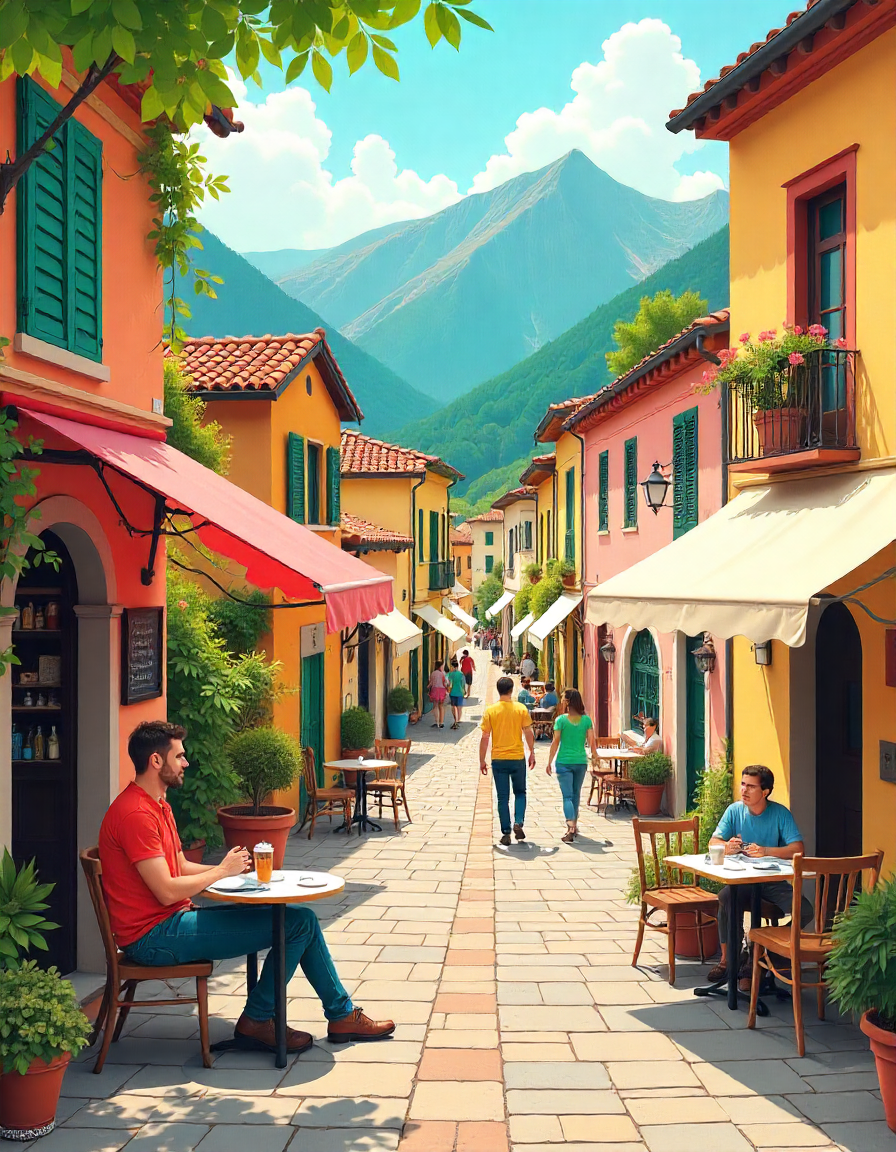
In an age when many people rush from one destination to another, ticking boxes on a checklist, a new philosophy has been gaining momentum: slow travel. Unlike fast-paced tourism, where the aim is to see as much as possible in the shortest amount of time, slow travel encourages immersion, connection, and presence. It is about savoring the journey rather than racing toward the destination.
Slow travel is not necessarily about duration, but about depth. You might spend a week in a single town, walking its streets daily, frequenting the same local café, chatting with residents, and learning customs firsthand. This deeper engagement creates memories far richer than hurried sightseeing.
For example, instead of taking a whirlwind trip through multiple European capitals, slow travelers might choose to spend two weeks in a smaller Italian village. They could learn regional cooking, take part in local festivals, or hike through countryside trails few tourists explore. These moments create a sense of belonging, even in a foreign land.
Cultural Immersion: Beyond the Surface
Travel has the power to bridge cultures, but only if approached with curiosity and respect. True cultural immersion means going beyond landmarks and museums to understand daily life.
Simple acts can create profound experiences: joining a local family for dinner, attending a traditional wedding, or learning basic phrases in the native language. Not only does this show respect, but it also opens doors to authentic interactions.
Consider Japan, where travelers who participate in tea ceremonies or stay at a traditional ryokan gain insights into centuries-old customs. Or Morocco, where exploring a medina with a local guide reveals stories hidden within narrow alleys that outsiders might miss. These experiences go deeper than photography; they nurture empathy and awareness.
Sustainable Travel: Responsibility on the Road
The rise of tourism has brought undeniable benefits, but it has also left challenges: environmental strain, cultural disruption, and overtourism in fragile places. Sustainable travel seeks to balance exploration with responsibility.
Travelers can contribute positively by choosing eco-friendly accommodations, supporting locally owned businesses, and respecting wildlife. Even small habits—like carrying reusable water bottles or avoiding single-use plastics—make a difference.
A notable example is Costa Rica, where ecotourism has become a central part of its identity. By preserving rainforests and promoting wildlife sanctuaries, the country demonstrates how tourism can both protect and showcase natural beauty. Travelers who engage in such practices not only reduce their footprint but also support communities that depend on preservation efforts.
Hidden Gems: Discovering the Road Less Traveled
While famous landmarks hold undeniable appeal, some of the most rewarding travel experiences are found off the beaten path. Lesser-known destinations often provide quieter, more authentic encounters.
Instead of visiting crowded Santorini, one might explore the tranquil island of Naxos, where beaches remain unspoiled and villages retain their character. Rather than limiting a trip to Paris, travelers could spend time in Annecy, a French town often called the “Venice of the Alps,” where canals wind through medieval streets.
These hidden gems remind us that travel is not just about recognition but about discovery. Choosing lesser-known spots reduces overcrowding in popular sites while spreading benefits to communities that might otherwise be overlooked.
Food as a Window into Culture
Cuisine is one of the most intimate ways to understand a destination. Food tells stories of geography, history, and tradition. By tasting local dishes, travelers gain insight into how communities live and what they value.
Eating freshly made tagine in Morocco, savoring street food in Bangkok, or sampling tapas in Spain is not just about flavor. It’s about connection—sharing a meal with locals, understanding why certain ingredients are used, and appreciating the artistry of preparation.
Travelers who join cooking classes or food tours deepen this connection further. They carry these lessons home, allowing the journey to continue long after the trip ends.
The Role of Nature in Travel
Nature has always been central to exploration, offering both adventure and peace. Mountains, oceans, forests, and deserts inspire awe and humility. Travelers who embrace the natural world often return with a renewed appreciation for life.
Hiking in Patagonia, sailing in the Greek Islands, or camping under the Northern Lights in Iceland are experiences that awaken a sense of wonder. These moments remind us of our small place within something vast and magnificent.
Respecting nature during travel is equally important. Following trail rules, leaving no litter, and observing wildlife from a distance ensures that future generations can enjoy these wonders as well.
The Future of Travel: Blending Tradition with Innovation
Travel continues to evolve as technology reshapes how we plan, book, and share journeys. Digital platforms make it easier to discover destinations, connect with guides, and document memories. Yet, while innovation expands possibilities, tradition still plays a vital role.
The future of travel lies in balance. Virtual tools may help preview a location, but the in-person experience—smelling spices in a local market or hearing laughter echo through a street—remains irreplaceable. The challenge is to use technology as an aid without losing authenticity.
Emerging trends such as remote work have also transformed travel. With more people embracing digital nomad lifestyles, entire cities are adapting to long-term visitors who blend work with exploration. This shift presents new opportunities for cultural exchange but also raises questions about sustainability and community impact.
Final Reflections
Travel is far more than movement between places. It is an invitation to grow, learn, and connect. Whether through slow travel, cultural immersion, sustainable practices, or culinary adventures, every journey offers lessons that go beyond souvenirs.
At its best, travel reminds us of our shared humanity. Borders may divide, but experiences unite. The laughter of strangers, the taste of unfamiliar dishes, the kindness of a host—these are the moments that linger.
In the end, the value of travel is not measured by how many countries one visits but by the depth of understanding carried home. For those willing to look beyond the surface, the world offers infinite stories waiting to be discovered.


