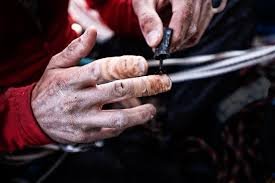
Climbers frequently experience finger injuries due to repetitive gripping, crimping, and overloading of the fingers and joints. Professional climber’s finger care focuses on relieving pain, restoring joint mobility, and strengthening the grip to support safe climbing performance. Early intervention helps prevent chronic tendon or pulley injuries, maintains finger function, and ensures long-term climbing ability.
For structured guidance and expert recovery strategies, you can explore 출장 for professional resources.
Understanding Climber’s Finger Injuries
Finger injuries in climbers often involve tendon strain, pulley tears, or joint inflammation. Common symptoms include:
-
Pain or tenderness in the finger joints or tendons
-
Swelling or stiffness
-
Difficulty gripping holds or objects
-
Weakness during climbing or everyday activities
Early recognition and treatment are essential to prevent long-term issues or chronic joint pain.
Causes and Risk Factors
Climber’s finger injuries are usually caused by:
-
Repetitive gripping, crimping, or pinch movements
-
Sudden increases in climbing intensity or volume
-
Poor technique or over-reliance on certain fingers
-
Weak supporting muscles in the forearm or hand
-
Inadequate warm-up or recovery between sessions
Athletes with previous finger injuries or limited joint mobility are at higher risk.
Licensed Grip & Joint Specialist Approach
Professional care emphasizes pain relief, mobility restoration, and grip strengthening. Licensed programs may include:
1. Activity Modification
-
Reduce climbing intensity or temporarily avoid crimp grips
-
Substitute with lower-load climbing techniques or hangboard exercises
-
Avoid activities that provoke sharp pain
2. Pain and Inflammation Management
-
Ice therapy on affected fingers for 10–15 minutes multiple times per day
-
Gentle soft tissue massage of forearm and hand muscles
-
Anti-inflammatory interventions as recommended by professionals
3. Stretching and Finger Mobility
Maintaining finger joint flexibility reduces stress and improves function:
-
Finger flexor and extensor stretches
-
Tendon gliding exercises
-
Gentle joint mobilizations under guidance
4. Grip Strengthening
Targeted exercises restore strength without overloading injured structures:
-
Rice bucket or putty exercises for finger and hand muscles
-
Grip squeezes with stress balls or therapy bands
-
Controlled fingerboard hangs with reduced load
-
Pinch and open-hand exercises to balance finger strength
Strengthening surrounding muscles protects joints and tendons from re-injury.
5. Functional and Climbing-Specific Training
Controlled climbing movements retrain proper grip mechanics:
-
Low-intensity climbing routes
-
Gradual introduction of crimp grips
-
Focused technique drills emphasizing open-hand grips and proper body positioning
6. Gradual Return to Full Climbing
Recovery progression should be carefully monitored:
-
Begin with light climbing or controlled grip exercises
-
Increase duration and difficulty gradually while monitoring finger pain
-
Resume full-intensity climbing only when pain-free
Overloading fingers too soon can lead to pulley tears or chronic joint inflammation.
Nutrition and Recovery
Proper nutrition supports tendon and joint repair:
-
Adequate protein for tissue regeneration
-
Vitamin C, zinc, and collagen for tendon and ligament health
-
Anti-inflammatory foods to reduce swelling
-
Hydration to maintain circulation and recovery
Monitoring and Professional Oversight
Regular assessment by licensed grip and joint specialists ensures correct exercise execution and monitors healing. Persistent pain, swelling, or weakness requires professional evaluation.
For detailed rehabilitation protocols and expert guidance, 출장 provides structured resources for climber’s finger recovery.
Preventing Future Finger Injuries
Preventive strategies include:
-
Gradual increase in climbing intensity and grip load
-
Consistent finger, hand, and forearm strengthening
-
Stretching before and after climbing sessions
-
Proper climbing technique and avoiding over-reliance on crimp grips
-
Using supportive taping or protective measures when necessary
Maintaining strength, flexibility, and safe grip mechanics reduces recurrence risk and supports long-term climbing performance.
Final Thoughts
Professional climber’s finger care focuses on grip restoration, joint relief, and safe return to climbing. Combining licensed guidance with structured in-home exercises ensures effective recovery and long-term finger health.
For expert exercises, structured rehab plans, and professional advice, visit 출장 to access resources for climber’s finger and joint care.