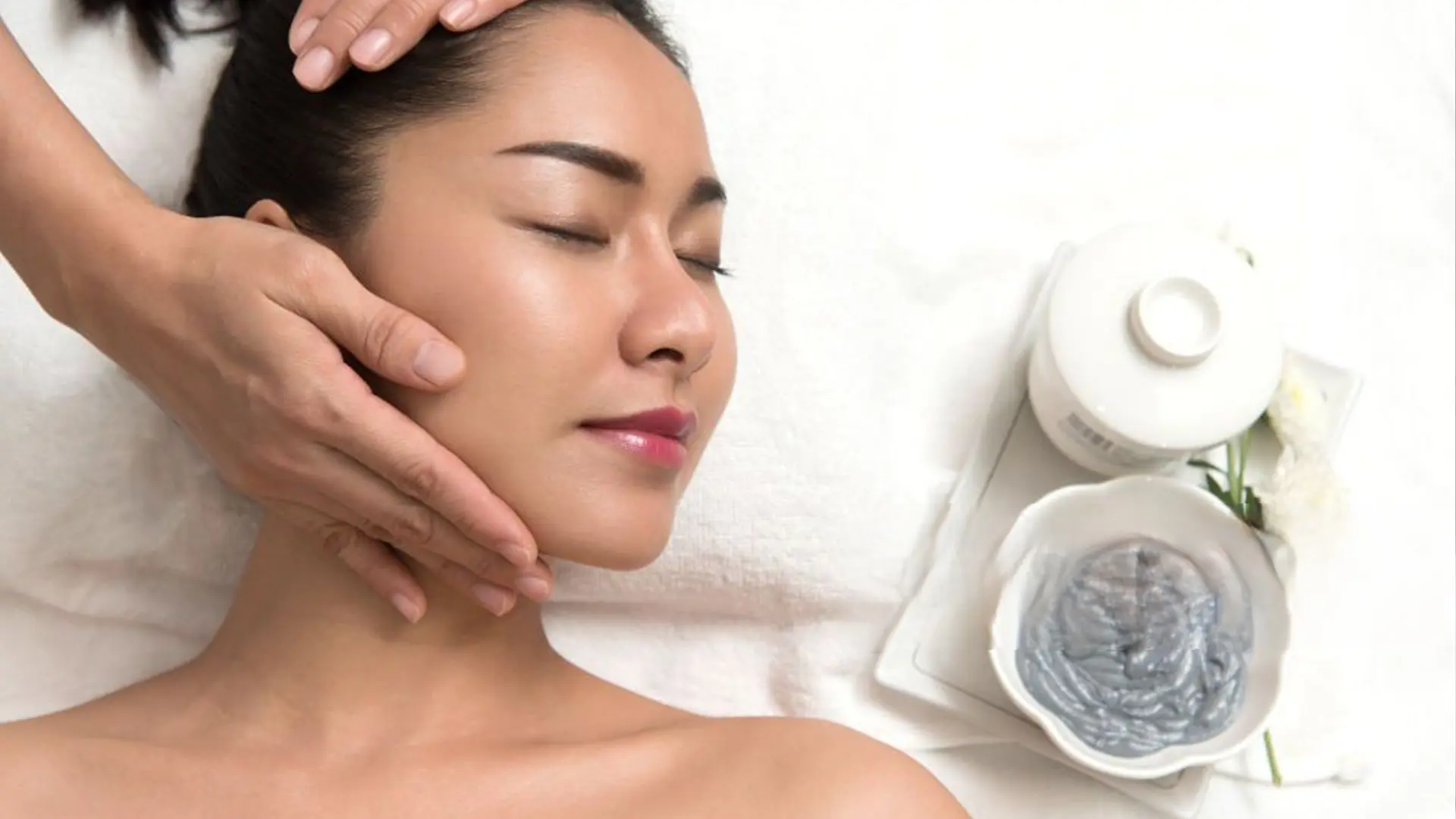
Korean massage is more than a relaxing experience—it’s a therapeutic practice with measurable benefits for circulation and overall health. Rooted in traditional healing techniques, this form of massage combines pressure point stimulation, stretching, and rhythmic bodywork to enhance blood and lymph flow throughout the body.visit for more details 마사지
How Korean Massage Stimulates Blood Flow
Korean massage applies firm, targeted pressure along muscles and acupressure points. This mechanical stimulation helps expand blood vessels, allowing oxygen-rich blood to reach tissues more efficiently. Improved circulation not only nourishes muscles and organs but also accelerates the removal of metabolic waste, such as lactic acid, which can cause soreness and fatigue.
The Role of Lymphatic Drainage
In addition to enhancing blood flow, Korean massage promotes lymphatic circulation. The lymphatic system is responsible for removing toxins, waste, and excess fluid from the body. Techniques like rhythmic pressing and stretching gently encourage lymph movement, supporting detoxification and strengthening the immune system.
Impact on Muscle Recovery and Flexibility
Better circulation translates directly into faster muscle recovery. Muscles receive more nutrients and oxygen, which helps repair micro-tears caused by physical activity. Simultaneously, the massage’s stretching and mobilization components improve joint flexibility and reduce stiffness, allowing for smoother movement and decreased risk of injury.
Nervous System Benefits
Korean massage also affects circulation indirectly through the nervous system. Pressure point stimulation can trigger the parasympathetic response, activating the body’s “rest-and-digest” mode. This reduces stress hormones like cortisol, which can constrict blood vessels, and promotes a relaxed state where circulation functions optimally.
Scientific Perspective on Circulatory Health
Studies on massage therapy in general support these observations, showing increased capillary blood flow, lowered blood pressure, and improved microcirculation after regular sessions. While Korean massage incorporates unique traditional methods, its effects align with these physiological principles, making it a scientifically supported tool for cardiovascular and muscular health.
Conclusion
Korean massage improves circulation through a combination of mechanical stimulation, lymphatic support, and nervous system modulation. Enhanced blood flow and detoxification lead to faster recovery, reduced muscle tension, and better overall vitality. By understanding the science behind these techniques, it becomes clear why Korean massage is not just a relaxing ritual but a powerful method for supporting long-term health.
If you want, I can also create a visual diagram showing how Korean massage affects blood and lymph flow, which makes this explanation more engaging. Do you want me to do that?