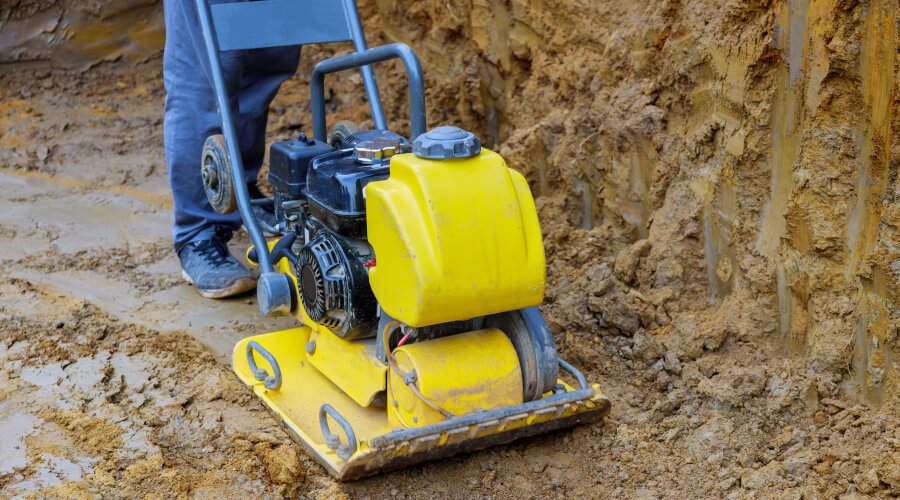
A vibrating plate compactor is an essential tool for construction and landscaping projects, designed to compact soil, gravel, and asphalt. Proper operation is crucial not only for achieving effective compaction but also for ensuring the safety of the operator and those around. Here’s a comprehensive guide on how to operate a vibrating plate compactor safely and effectively.
1. Understand the Equipment
Before using a vibrating plate compactor, it’s important to familiarize yourself with its components and functionality. Key parts include:
- Base Plate: The flat component that makes contact with the material to be compacted.
- Vibration Mechanism: This generates vibrations to aid in the compaction process.
- Engine: Typically gasoline or diesel-powered, vibrating plate compactor, providing the necessary force for operation.
- Controls: Familiarize yourself with the throttle, stop switch, and any other operational controls.
Understanding how the equipment works will help you operate it more effectively and safely.
2. Wear Appropriate Personal Protective Equipment (PPE)
Safety should always be your top priority when operating heavy machinery. Wearing the right personal protective equipment is essential. Ensure you have:
- Safety Goggles: Protect your eyes from dust and debris.
- Hearing Protection: Vibrating plate compactors can be loud, so use earplugs or earmuffs.
- Gloves: Heavy-duty gloves can help reduce vibrations felt in your hands.
- Sturdy Footwear: Steel-toed boots provide protection and stability.
- Dust Mask: If operating in a dusty environment, a mask will help filter harmful particles.
Using PPE will significantly reduce the risk of injury on the job site.
3. Conduct a Pre-Operation Inspection
Before starting the compactor, perform a thorough pre-operation inspection to ensure the equipment is in good working condition. Check for:
- Fuel and Oil Levels: Make sure the engine has sufficient fuel and oil to operate effectively.
- Physical Damage: Inspect the base plate and engine for any signs of wear or damage.
- Loose Parts: Ensure that all bolts, screws, and other attachments are secure.
Addressing any issues during the inspection will help prevent accidents and equipment failure.
4. Prepare the Work Area
A safe and organized work area is crucial for effective operation. Follow these steps:
- Clear Debris: Remove any obstacles, debris, or loose materials from the area where you’ll be working.
- Mark Boundaries: Establish a clear work zone and ensure that bystanders are kept at a safe distance.
- Check Surface Conditions: Make sure the area is suitable for compaction. Avoid working on overly wet or unstable ground.
Preparing the area will help create a safer and more effective working environment.
5. Start the Compactor Properly
Starting the vibrating plate compactor correctly is essential for safe operation. Here’s how to do it:
- Ensure Stabilization: Place the compactor on a flat, stable surface before starting.
- Follow Starting Procedures: Refer to the manufacturer’s manual for the correct starting procedure, ensuring you engage the choke if necessary.
- Warm Up the Engine: Allow the engine to warm up for a few minutes before beginning to compact.
Following the correct starting procedure will minimize the risk of mechanical issues.
6. Operate the Compactor Effectively
Once the compactor is running, it’s time to operate it effectively. Keep these tips in mind:
- Maintain a Steady Pace: Move the compactor at a consistent speed for even compaction. Avoid rushing through the process.
- Overlap Passes: Ensure that each pass overlaps slightly with the previous one to ensure uniform compaction.
- Adjust as Needed: If you encounter uneven terrain, adjust your speed and angle to maintain stability and control.
Effective operation will lead to better results and a more efficient project.
7. Monitor Your Surroundings
While operating the compactor, remain aware of your surroundings. Here’s what to watch for:
- Bystanders: Keep an eye out for people entering your work zone. Use signals or communication devices to alert others.
- Obstacles: Be vigilant for obstacles that may appear in your path, such as cables or uneven ground.
- Machine Performance: Pay attention to how the machine is running. If you notice unusual noises or vibrations, stop and inspect the equipment.
Being aware of your surroundings will help prevent accidents and ensure smooth operation.
8. Perform Post-Operation Checks
After completing your work, conduct a post-operation check to maintain the equipment and ensure safety. This includes:
- Cleaning the Compactor: Remove any dirt or debris from the base plate and engine.
- Inspecting for Damage: Check for any signs of wear or damage that may have occurred during use.
- Storing Properly: Store the compactor in a dry, secure location to prevent damage.
Post-operation checks will prolong the life of your equipment and ensure it’s ready for future use.
Conclusion
Operating a vibrating plate compactor safely and effectively requires attention to detail, proper training, and an awareness of safety protocols. By understanding the equipment, wearing the right PPE, conducting thorough inspections, and following best practices during operation, you can achieve optimal compaction results while ensuring a safe work environment. Prioritizing safety not only protects you but also contributes to the overall success of your project.