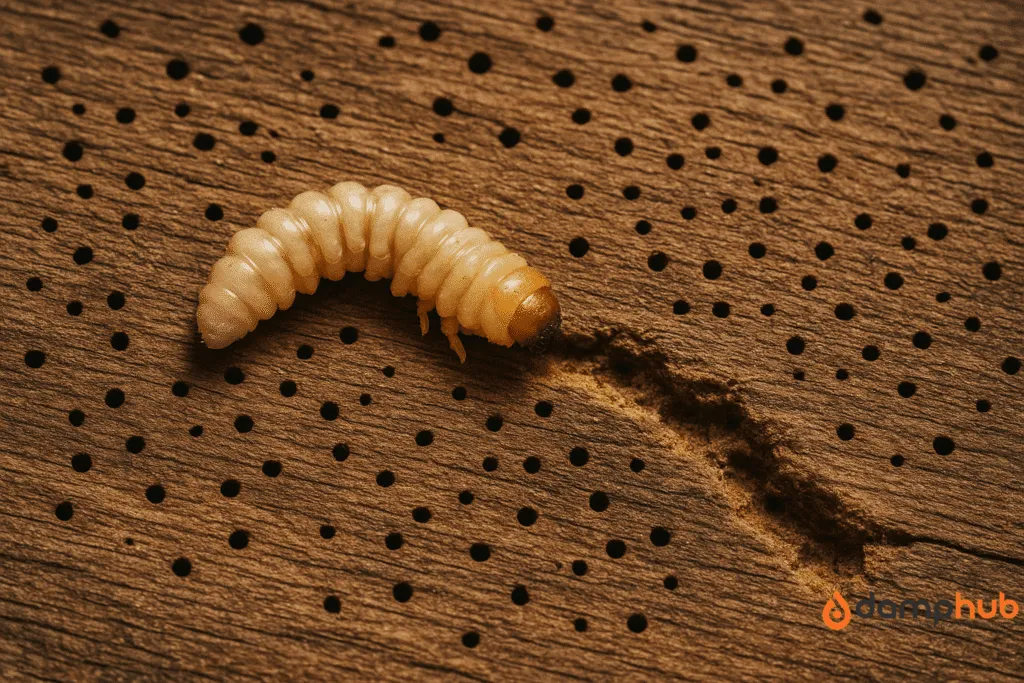
If you’re a homeowner, you may have encountered the term woodworms but never considered the impact these tiny pests could have on your property. Woodworms are among the most destructive pests, silently damaging wooden beams, flooring, and furniture, often going unnoticed until it’s too late. In this article, we will explore everything you need to know about woodworms, from how to identify an infestation to effective prevention and treatment methods. For expert solutions and treatment, visit Woodworms for professional pest control services.
What Are Woodworms?
Woodworms are the larvae of wood-boring beetles, which make their way into your home in search of wood to feed on. The term “woodworm” refers to the damage done by these larvae as they burrow deep into the wood, creating a network of tunnels. Over time, their constant feeding weakens the structure of the wood. The adult beetles lay their eggs in cracks or crevices in wooden surfaces, and once hatched, the larvae feed on the wood until they emerge as adults.
While they are typically associated with older, untreated wood, woodworms can infest new homes if conditions such as moisture and humidity are favorable. These pests are especially common in places with poor ventilation, like basements, attics, or areas where dampness is an issue.
Signs of a Woodworm Infestation
Identifying woodworm damage early is critical to preventing widespread destruction. Here’s what to look for:
-
Exit Holes: These small, round holes are left behind when adult beetles emerge from the wood. These holes are usually about 1-2mm in diameter and are a key indicator of a woodworm problem.
-
Frass (Powdery Dust): As larvae tunnel through the wood, they produce a fine powder called frass. This dust accumulates around exit holes and is one of the first signs of woodworm activity.
-
Weak or Soft Wood: The wood begins to feel soft and fragile over time as larvae hollow out the structure. In severe cases, the affected wood may begin to crumble or break apart.
-
Adult Beetles: Adult beetles are typically seen flying around during warmer months. These small brown or black beetles emerge from the wood when they mature.
Why Woodworms Are a Concern
While they may seem small and inconspicuous, woodworms can do considerable damage to your home. Over time, the larvae feed on the wood, weakening its structure and compromising the stability of beams, floors, and furniture. If left untreated, this damage can lead to costly repairs and, in extreme cases, the complete collapse of affected wooden structures.
The issue with woodworms is that their damage is not always visible. As the larvae are hidden inside the wood, their destructive tunneling can go unnoticed until the wood becomes weak. By this point, the infestation may have spread across your home, causing extensive damage.
Preventing Woodworm Infestations
The best way to deal with woodworms is to prevent them from infesting your home in the first place. Here are some tips to keep these pests at bay:
-
Control Humidity: Woodworms thrive in damp, humid conditions. It’s important to keep areas like basements, attics, and crawl spaces well-ventilated and dry. Using dehumidifiers can help maintain low humidity levels in these areas.
-
Wood Treatments: If you’re adding new wooden structures, beams, or furniture to your home, treat the wood with a preservative. This can help prevent future woodworm infestations.
-
Regular Inspections: Perform regular checks on the wooden structures in your home, especially if your property is older. Look for signs of woodworm damage, such as exit holes and frass. Early detection is crucial in stopping an infestation from spreading.
How to Treat Woodworm Infestations
If you’ve discovered a woodworm infestation, it’s important to act quickly. There are several methods to treat woodworms and prevent further damage:
-
Chemical Treatments: The most effective way to kill woodworms is by using chemical insecticides. These chemicals penetrate the wood, killing the larvae and preventing the adult beetles from emerging. You can apply the treatment using a brush or spray.
-
Fumigation: For more widespread infestations, fumigation can be effective. It involves sealing off the affected area and releasing a gas that kills both larvae and beetles. This method is ideal for larger infestations.
-
Boric Acid: Boric acid is a safer, natural alternative to chemical treatments. It’s a highly effective way to kill woodworm larvae and prevent further damage.
-
Professional Help: If the infestation is extensive, it’s best to call in a professional pest control service. Experts can assess the situation and apply the most effective treatments for your specific infestation.
Repairing the Damage Caused by Woodworms
Once the woodworm infestation is eliminated, you’ll need to repair the damage. For small infestations, filling the exit holes with wood filler or epoxy is a simple solution. However, if the wood has been severely weakened, you may need to replace large sections of the affected wood.
It’s important to consult a professional carpenter or contractor if the damage is to load-bearing structures, such as beams or flooring. They can ensure that the repairs are done properly and safely.
Conclusion
Woodworms are silent invaders that can cause significant damage to your home’s wooden structures. Early detection, proper prevention, and timely treatment can help protect your home from these destructive pests. Regular inspections, controlling moisture levels, and treating new wood are all effective ways to safeguard your property from woodworms. For professional help and more information on woodworm control.